
Extended reality for safety and social interaction at work
Focus Area(s): Industry, safety at work, social interaction among workers

Scenario description:
XR can create more immersive experiences for people at work in order to make their job safer, by providing new ways to be aware of possible hazards and receive more effective, engaging and entertaining training on safety procedures. This is to alert and prevent serious accidents provoked by the co-occurrences of different causes, which can be avoided by conscious collaboration.
SUN unfolds through two complementary use cases, each addressing a key aspect of human–machine collaboration in industrial contexts.
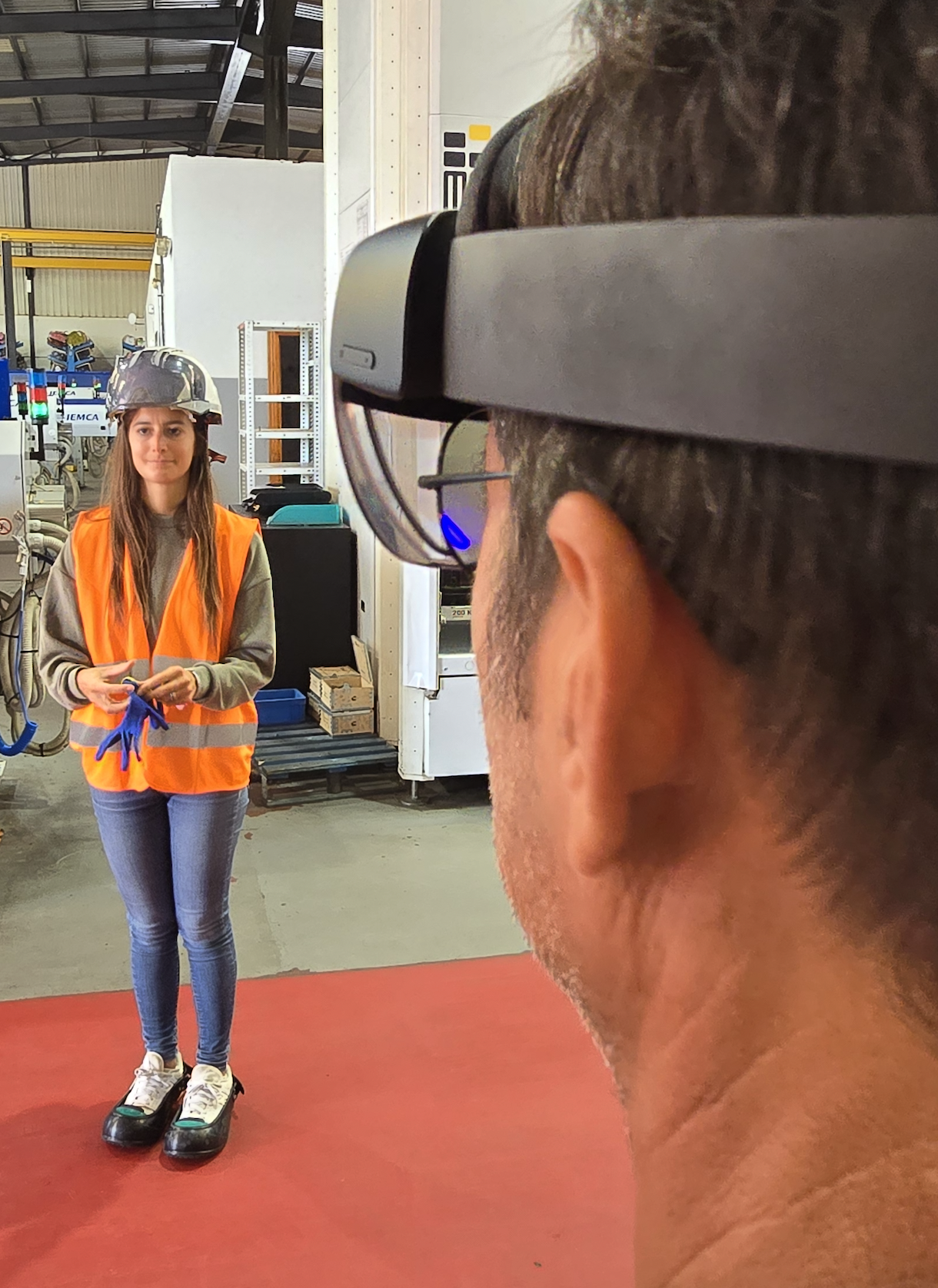
The first use case focuses on safety training and practice, using immersive XR experiences to strengthen awareness and correct use of personal protective equipment (PPE). Through the SUN-SET application and HoloLens2 headsets, workers participate in interactive sessions guided by a virtual avatar, where they learn to identify and apply safety measures in simulated scenarios. This is followed by real-world observation exercises, where AI-based object recognition and real-time visual feedback help reinforce safe behaviors directly on the factory floor. The result is a hands-on, engaging approach to safety education that bridges theory and practice.
The second use case introduces the PRIORI-XR algorithm, designed to dynamically manage task prioritization and workflow optimization. By integrating sensor and camera data, the system continuously updates work orders and displays them through the XR interface, supporting decision-making in fast-paced production environments. Workers can visualize priorities directly within their field of view, reducing cognitive load and fostering smoother coordination across the production line.
From a technical standpoint, the pilot integrates a modular client–server architecture with AI-based image recognition, gesture-based interaction, and cybersecurity monitoring. This combination ensures adaptability, data integrity, and robust operation across different industrial scenarios. The iterative design process involved close collaboration between engineers, human factors experts, and operators, ensuring that technological refinements aligned with real user needs.
The validation process unfolded in two main stages.
An initial round of testing was conducted with SUN consortium staff, enabling the fine-tuning of gesture precision, system responsiveness, and visual ergonomics.
The second phase extended to FACTOR factory operators, who used the system in actual production conditions. Their feedback was highly positive, emphasizing comfort, engagement, and perceived usefulness especially in improving training motivation and task clarity. Challenges such as occasional gesture misrecognition were progressively mitigated through successive software iterations and recalibration of recognition thresholds.
By the end of the validation phase, the pilot had matured into a stable and functional XR environment capable of supporting daily industrial operations. Beyond technical success, it demonstrated a cultural shift toward more human-centered digital transformation, where technology empowers rather than replaces the worker.
Pilot 2 thus stands as a clear validation of the SUN vision: embedding XR and AI not just as efficiency tools, but as enablers of safer, smarter, and more socially connected workplaces.
On YouTube SUN channel you can watch a video showing the validation performed in Versilia Hospital.
Technical challenges:
● Wearable sensors in XR
● Low latency gaze and gesture-based interaction in XR
● Multimodal XR collaboration
● Semantic integration of virtual and physical world
● 3D acquisition with physical properties
● AI-assisted 3D acquisition of unknown environments with semantic priors
● AI-based convincing XR presentation in limited resources setups
● Hyper-realistic avatar
● Context aware avatars
Impact:
Safety in working areas is a major concern nowadays. Awareness, engagement and collaboration among workers, in possibly hazardous environments, is fundamental to prevent the occurrence of incidents. Extended reality offers unprecedented opportunities to make work areas safer. Workers will be advised and become aware of possible dangerous events while they work. Real-time interaction among workers, training through realistic simulations, and real-time updated information on the status of the work environment can significantly increase the level of safety awareness and lead to a safer industry.
Latest News
Pilot 2: demo at the last Plenary Meeting (Palermo, 20-21 May, 2025)
Last week, the 6th plenary meeting of the SUN Project consortium took place in beautiful Palermo! On this occasion, our partner Factor participated as an end user, contributing to the validation of XR (Extended Reality) technologies in real industrial...
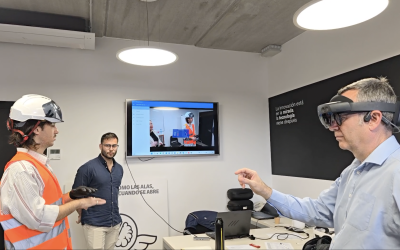
Pilot 2 first validation phase: Valencia, April 8-10, 2025
We're thrilled to share the positive outcomes of our recent workshops focused on refining the pilot use of eXtended Reality (XR) in industrial settings. Our efforts to optimize critical tasks, particularly safety protocols for protective equipment, have yielded highly...
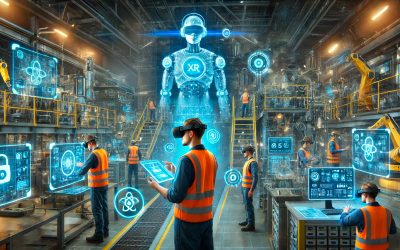
Pilot 2 “Industry 5.0” is approaching
We are proud to announce the upcoming Pilot 2: Industry 5.0, part of the transformative SUN initiative, which will be conducted in collaboration with FACTOR! This pilot leverages Extended Reality (XR) to redefine safety, efficiency, and training in...
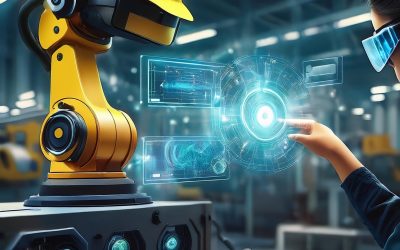
Pilot 2: external stakeholders meeting
Last week we had a fantastic external stakeholders meeting related to the industrial pilot, managed by Factor Ingeniería y Decoletaje, to discuss the potential of extended reality (XR) to transform industrial processes. Experts from diverse...
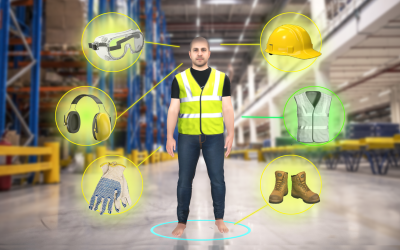
Realistic Avatars in industrial sectors
Avatars are core actors in any human centered use case of the XR digital revolution. Specifically in industrial sectors, they will be the virtual representation of workers and employees from training, to performing actions in digital twins of the factory and many more...
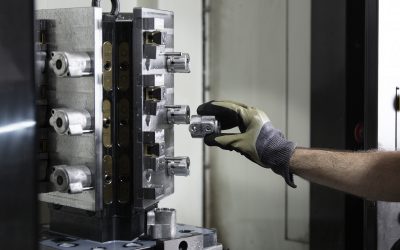
Revolutionizing Manufacturing Safety with XR & AI
Manufacturing shop floors are inherently risky environments. At Factor Ingeniería y Decoletaje S.L., we're partnering with Holo and UPV to develop cutting-edge eXtended Reality (XR) and Artificial Intelligence (AI) solutions that prioritize worker safety and...
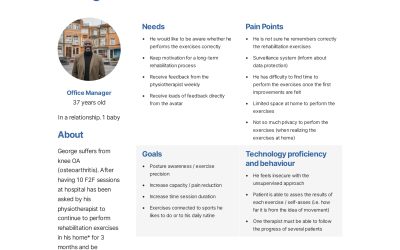
SUN XR User requirements
SUN user requirements have been finalised by KPEOPLE and IN2 (https://in-two.com/). The phases of co-creating user requirements went from personal interviews with the end users participating in the project (CRR-Suva, OAC, ASL-NO, FACTOR) to workshops with all partners...
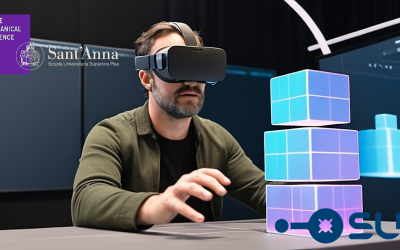
Highly wearable haptic interfaces
The horizons of virtual reality are becoming increasingly more and more popular, embracing not only pure entertainment but also crucial industrial and rehabilitative sectors. Within the SUN XR project, the new challenges of virtual reality are materializing through...
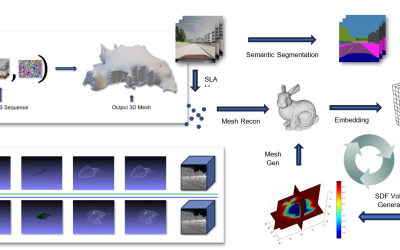
Bringing Virtual Worlds to Life Just Got Easier
CNR-ISTI is revolutionizing the way we create immersive experiences in gaming and industry with a groundbreaking AI. Forget about the limitations of old tech like short-range depth cameras and slow motion capture. Their new...
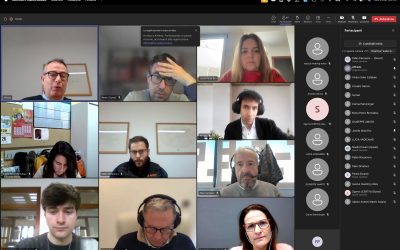
First Pilot 2 External Stakeholders’ Meeting in Valencia (ES)
On February 8, the first pilot 2 external stakeholders’ meeting was held. It was a great opportunity to share SUN XR with representatives from SMEs and collect their needs and expectations about the project. The input received are important to guarantee that the...